

Structural Integration
Unfurl into your wildest shape.
A practice of Coming home to our body
Structural Integration (SI) is hands-on bodywork that works with our fascia, the continuous web of connective tissue that wraps and links every muscle, bone, and organ. Because that web is all one piece, tension in one place shows up somewhere else. A tight hip can pull on a knee. An old ankle sprain can change how we carry our shoulders.
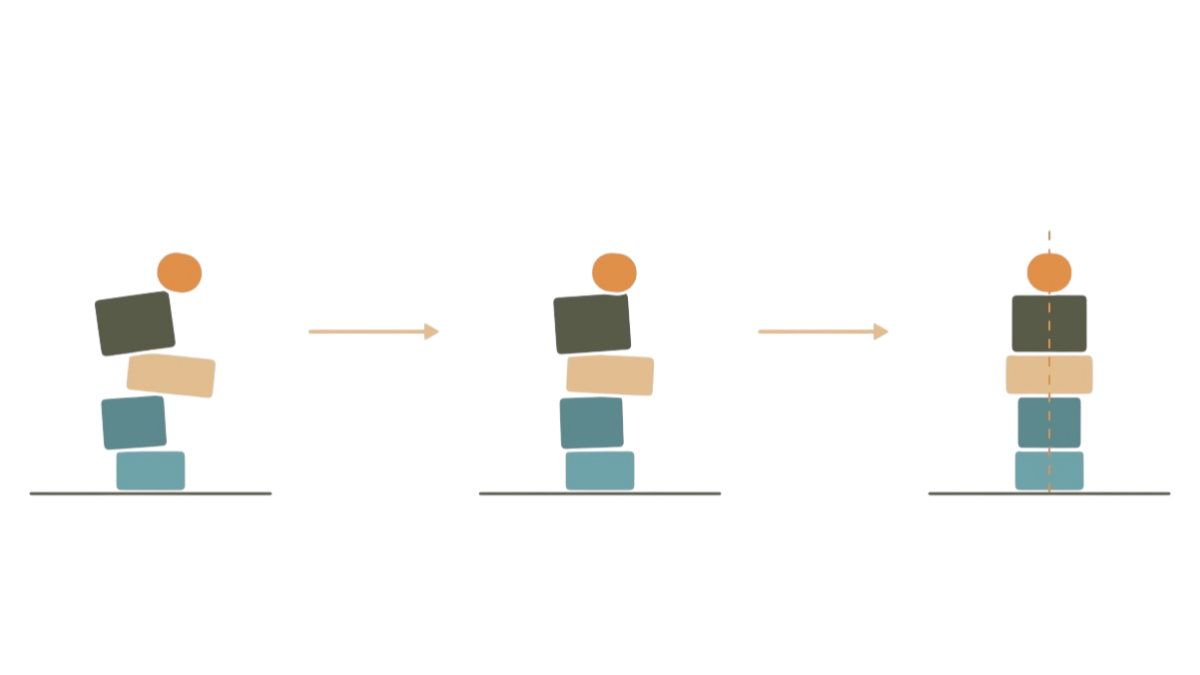
Over years of injuries, desk work, sports, stress, and everyday habits, the fascia adapts to how we use it. It thickens, shortens, and holds us in patterns of compensation. Gravity then works against us instead of with us, and we feel it as nagging pain, stiffness, shallow breathing, or a posture that takes effort just to hold.
SI looks at the whole body, not just the spot that hurts. With slow, precise, hands-on work, and gravity as our guide, we release and reorganize those holding patterns layer by layer. Along the way, you learn to notice how you stand, sit, and move, so the change lasts long after you leave the table.
People come to SI for:
Chronic pain in the back, neck, shoulders, hips, or knees
Recovery from injury or surgery (once cleared by your provider)
Limited range of motion or stiffness
Posture concerns and feeling "off-center"
Better athletic performance and efficiency
A deeper sense of body awareness, ease, and connection
SI was developed by Dr. Ida P. Rolf, a biochemist who spent decades studying how the body's structure relates to its function. Her work is the foundation of every SI approach practiced today.
The 10-Series, Session by Session
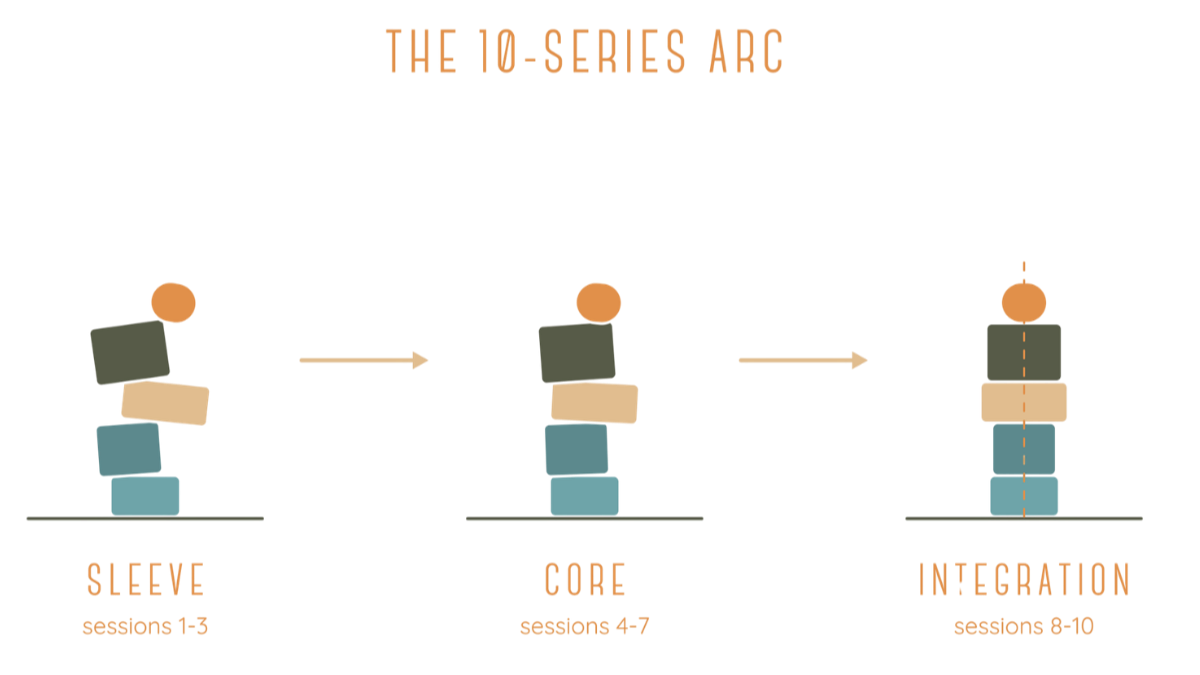
The 10-Series moves through three phases. The first three sessions open the outer layers. The middle four reach the deep core. The last three bring everything together into one balanced, organized whole. Every session ends with work on the neck and back to help your body settle into the changes.
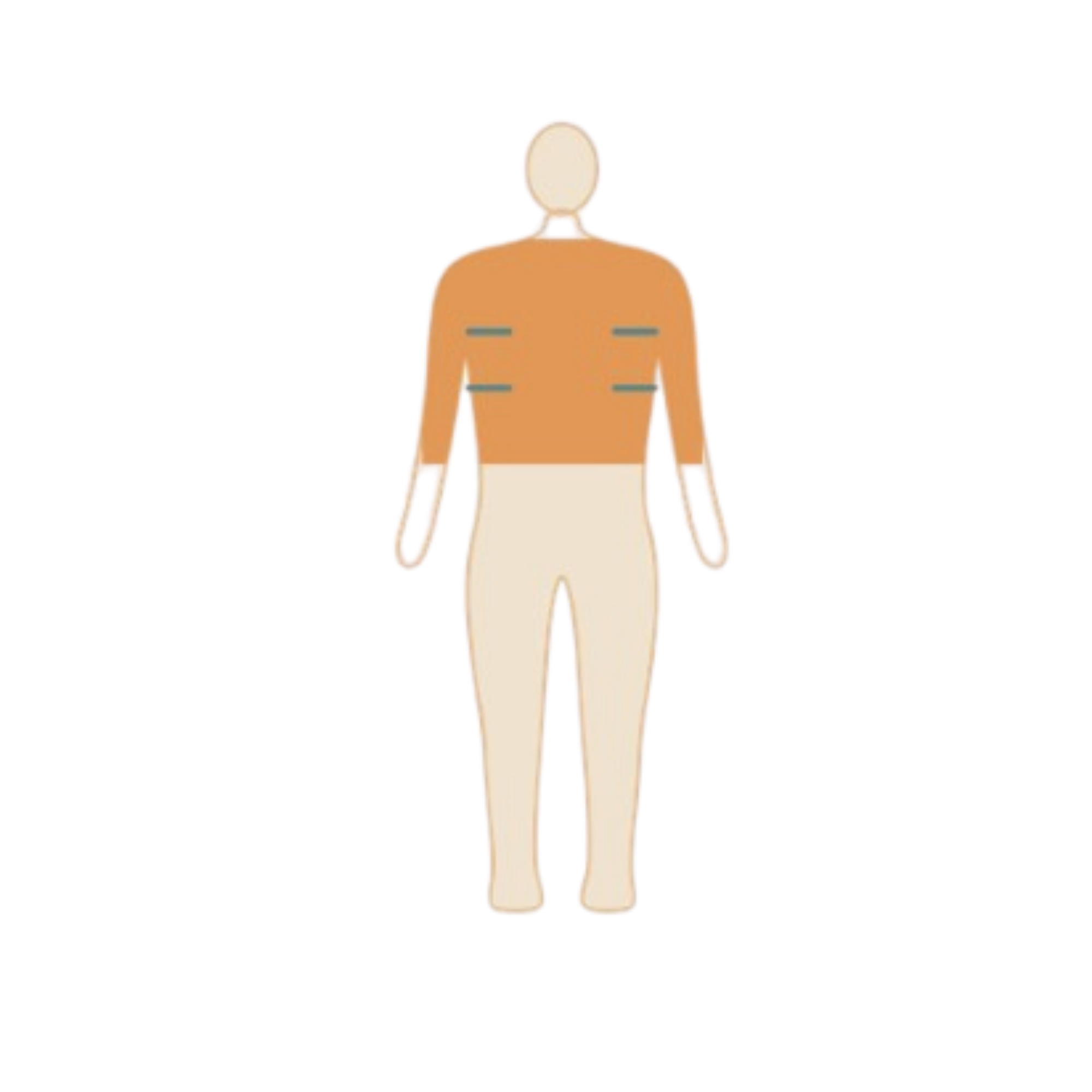
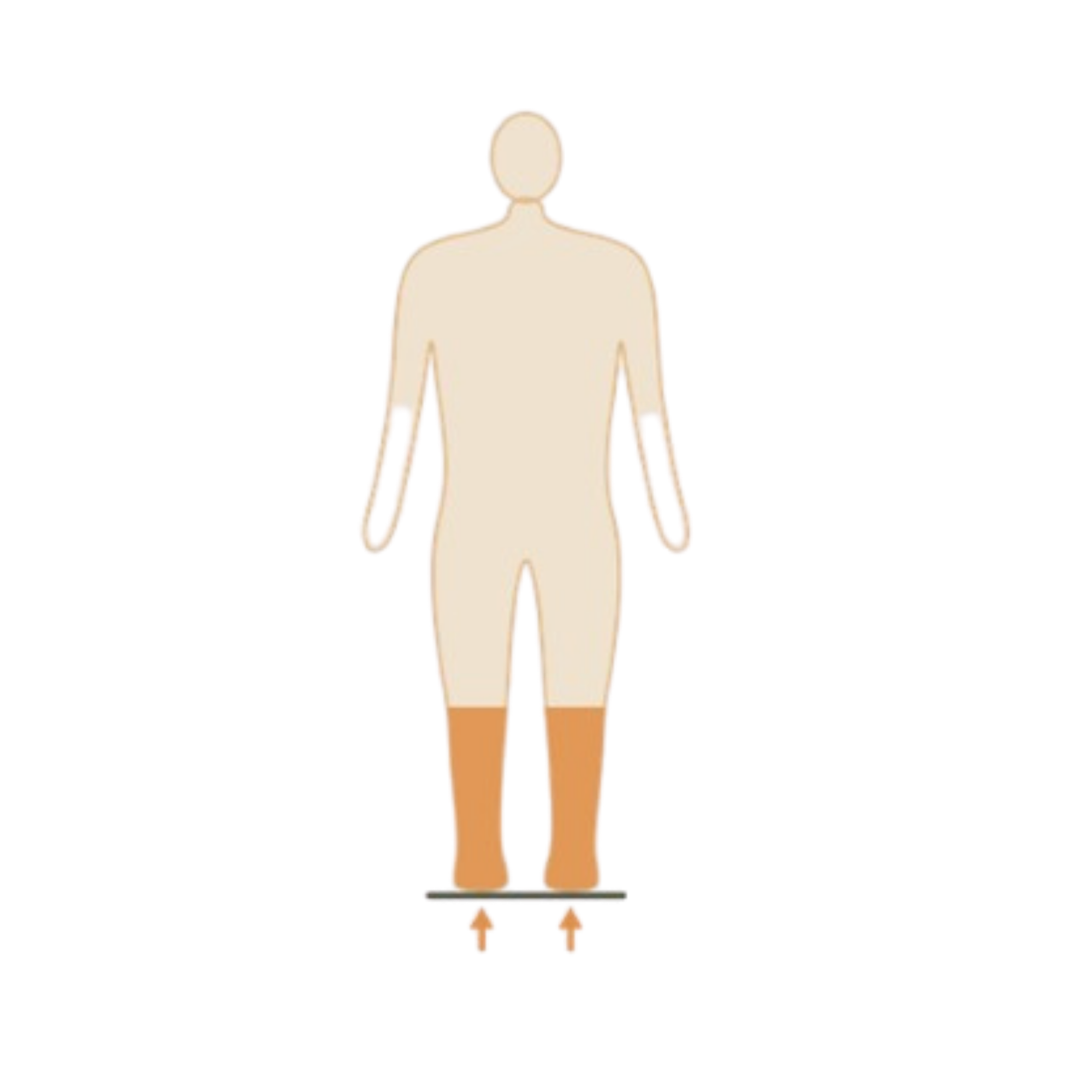
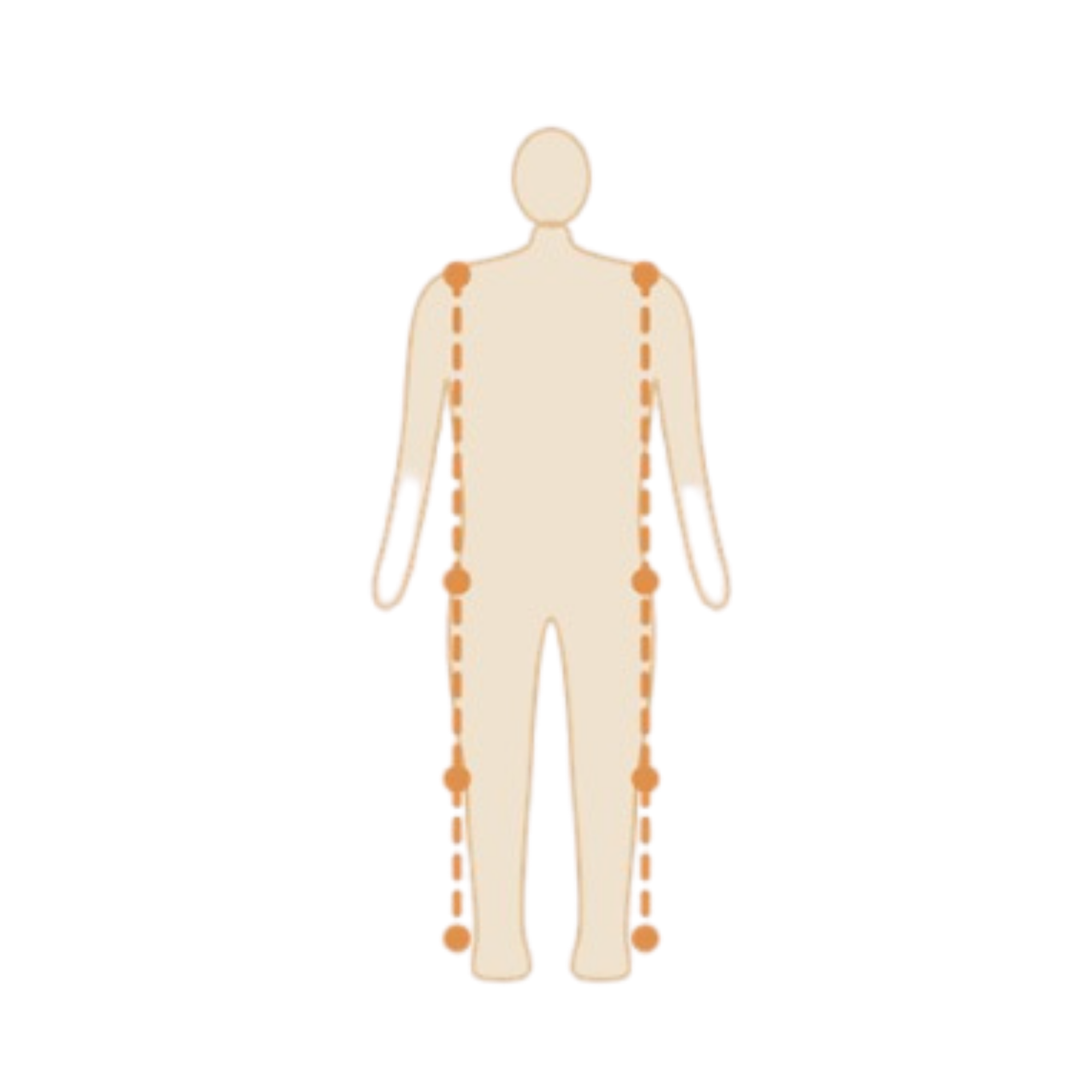
Sleeve Sessions (Sessions 1 to 3)
These sessions free up the superficial layers of fascia so there's room to work more deeply in later sessions.
Session 1: Breath
We begin by opening the chest, ribs, shoulders, and upper back so your breath can move freely through the whole torso. We also start freeing the hips and hamstrings.
Session 2: Foundation
This session focuses on the feet, ankles, and lower legs, the base everything else stands on. We work toward balanced arches and a steady, grounded stance so the body above has solid support.
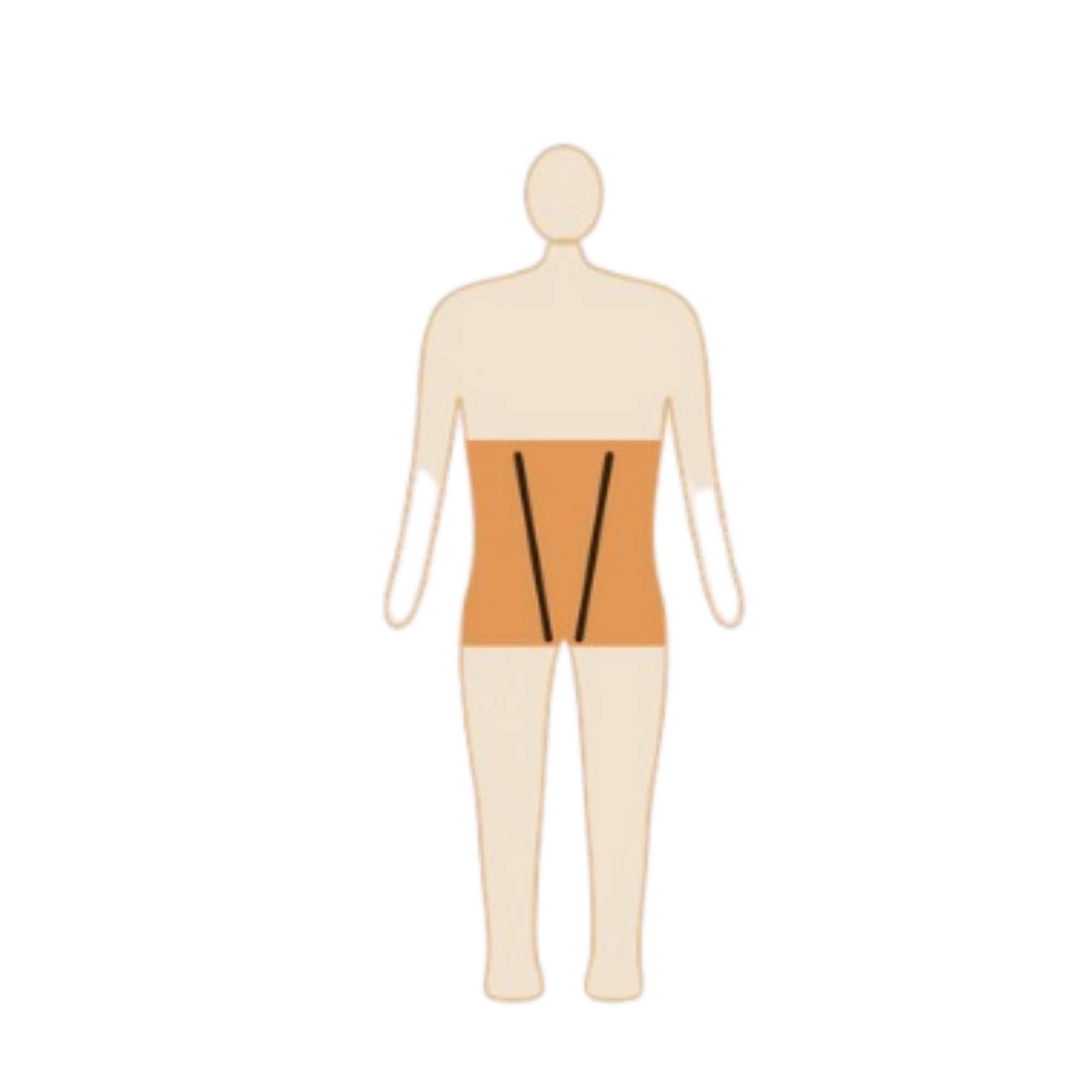
Session 3: The Side Line
We look at you from the side and work along the sides of the body, from the hips up through the ribs and shoulders. The goal is to bring the front and back of the body into better balance and create length between the pelvis and ribcage.
Core Sessions (Sessions 4 to 7)
With the outer layers more open, we move into the deeper structures close to the spine and pelvis.
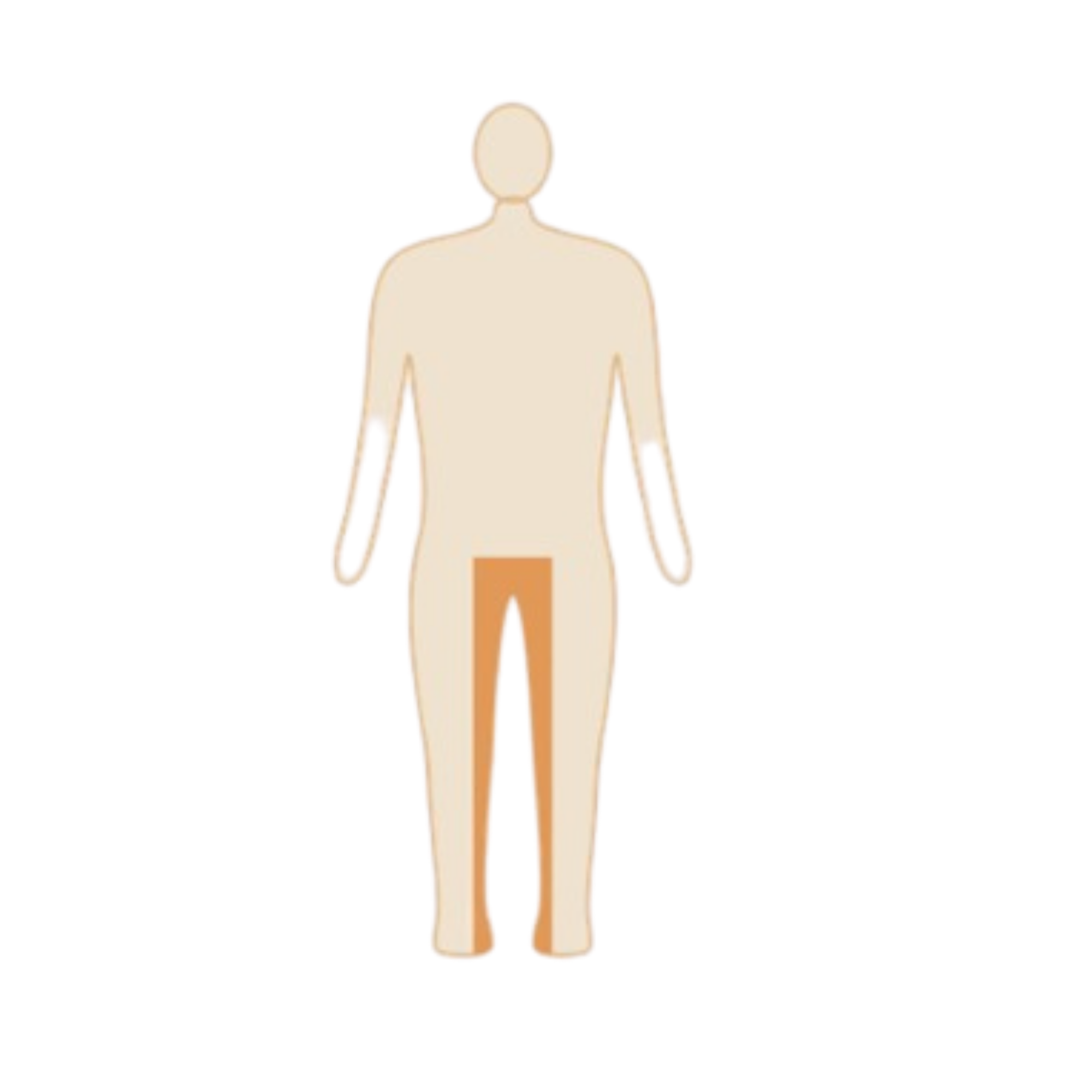
Session 4: Inner Legs and Pelvic Floor
We work from the inner arch of the foot up the inside of the leg toward the base of the pelvis. This builds support from below and starts to connect the legs with the core.
Session 5: Front of the Core
This session addresses the front of the body: the abdominal muscles and the psoas, a deep muscle that links the spine to the legs. We aim to balance the front of the core with the back for a freer, more upright posture.
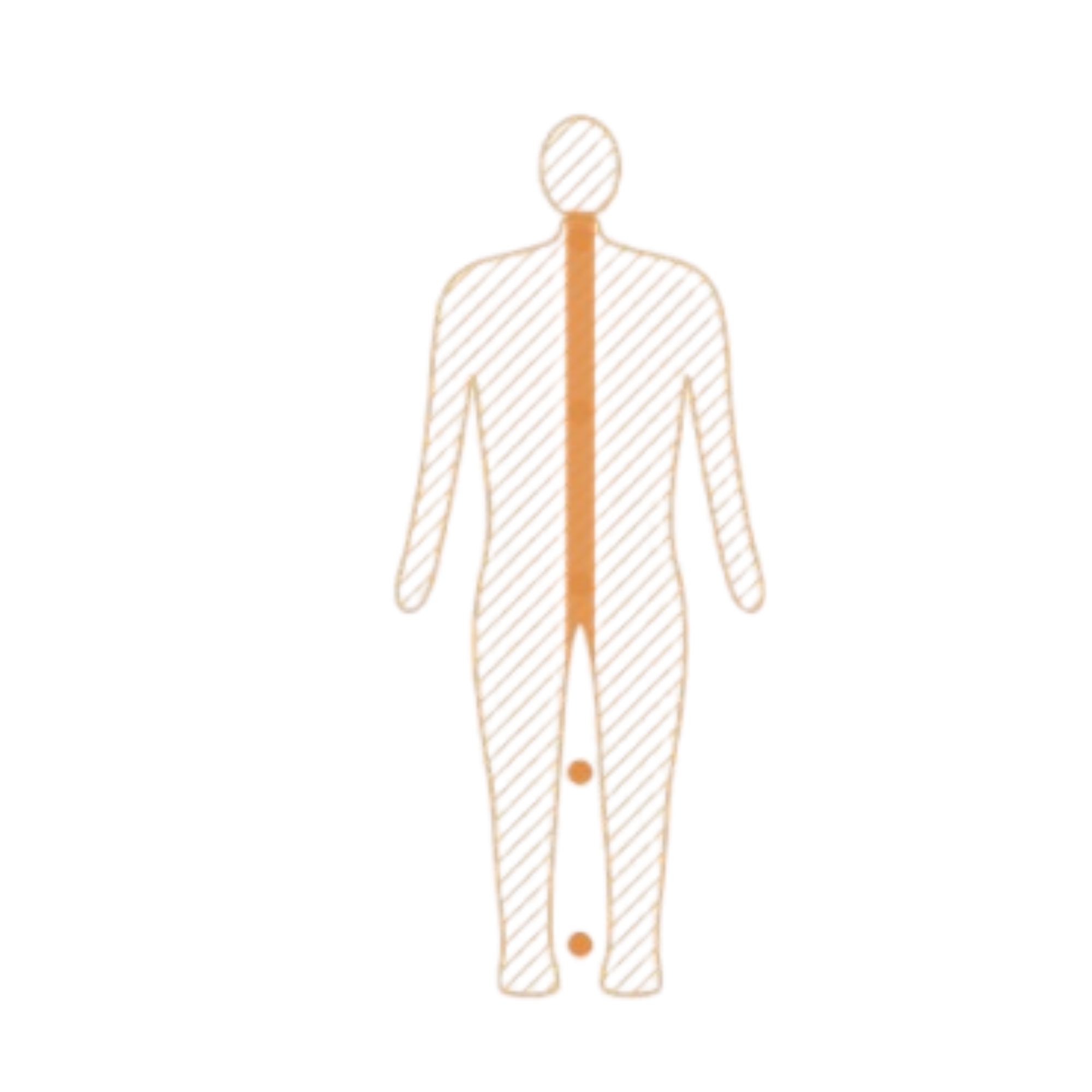
Session 6: Back of the Body
We work along the back of the legs, the glutes, and the sacrum (the base of the spine). The goal is more mobility and support through the pelvis and back, matching the work done on the front in Session 5.
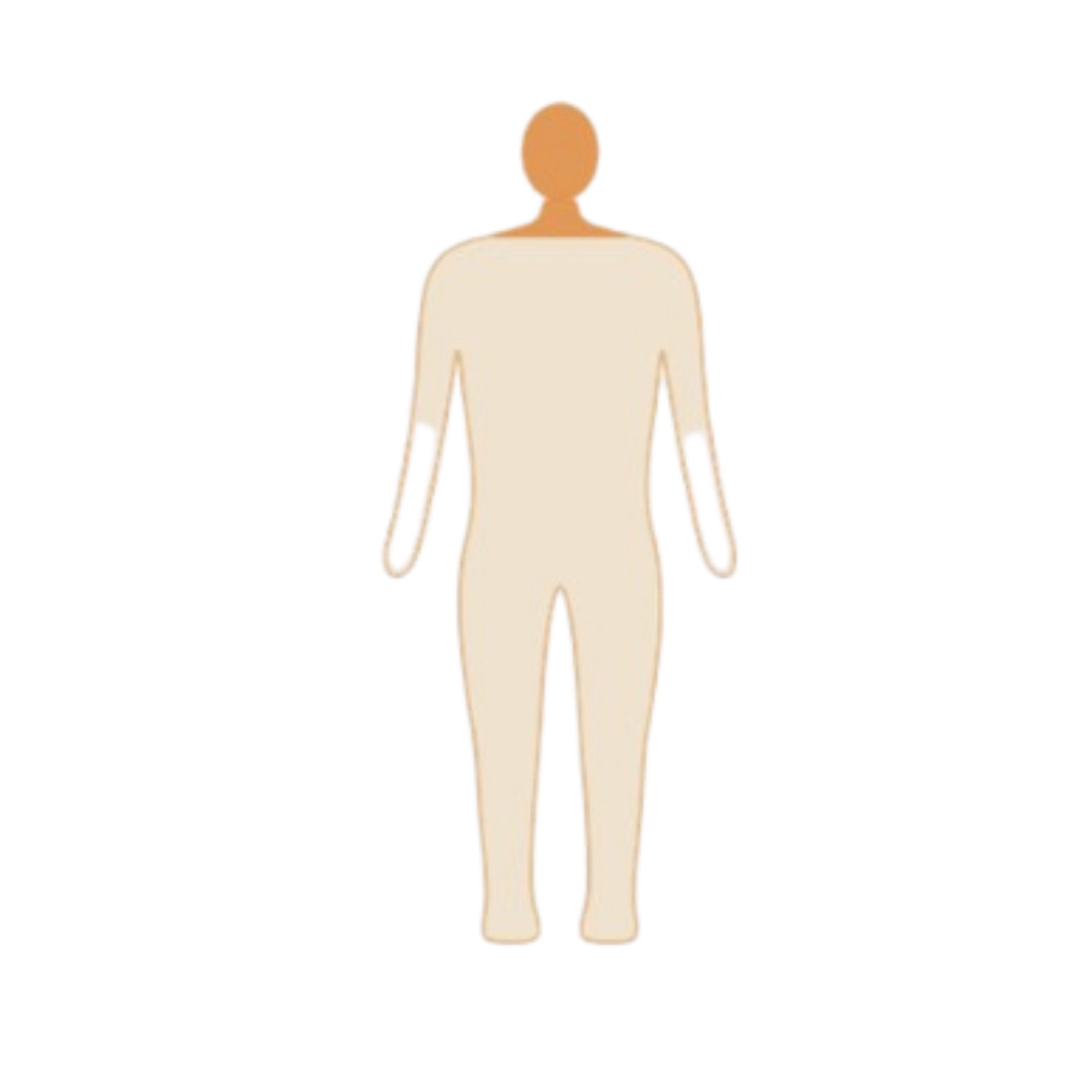
Session 7: Head and Neck
With the body below better organized, we turn to the neck, jaw, face, and head. This session helps the head balance easily on top of the spine and often releases tension people didn't know they were holding.
Integration Sessions (Sessions 8 to 10)
These sessions tie everything together. The work is shaped around how your body has responded so far.
Session 8: Lower Body Integration
We connect the pelvis and legs with the rest of the body so they move as one coordinated unit.
Session 9: Upper Body Integration
We connect the shoulders, arms, ribs, and torso with the rest of the body, so the upper half moves with the same ease as the lower.
Session 10: Whole-Body Integration
The final session brings balance and order to the whole body, with attention to the joints and to how every part relates to every other part. The goal is a body that feels organized, balanced, and at ease in gravity.
Your body keeps integrating the work for months after Session 10. Many people find the changes keep unfolding long after the series ends.
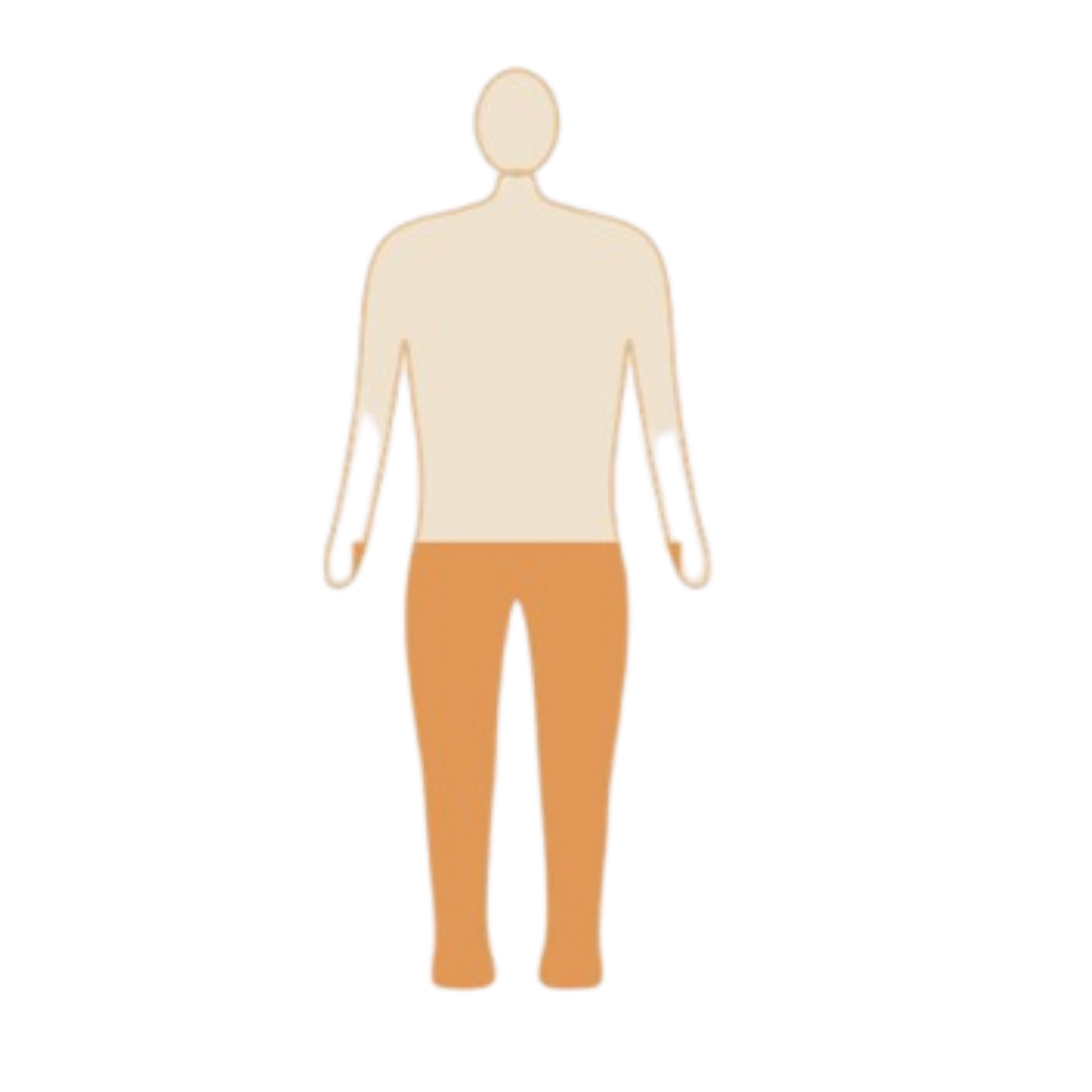
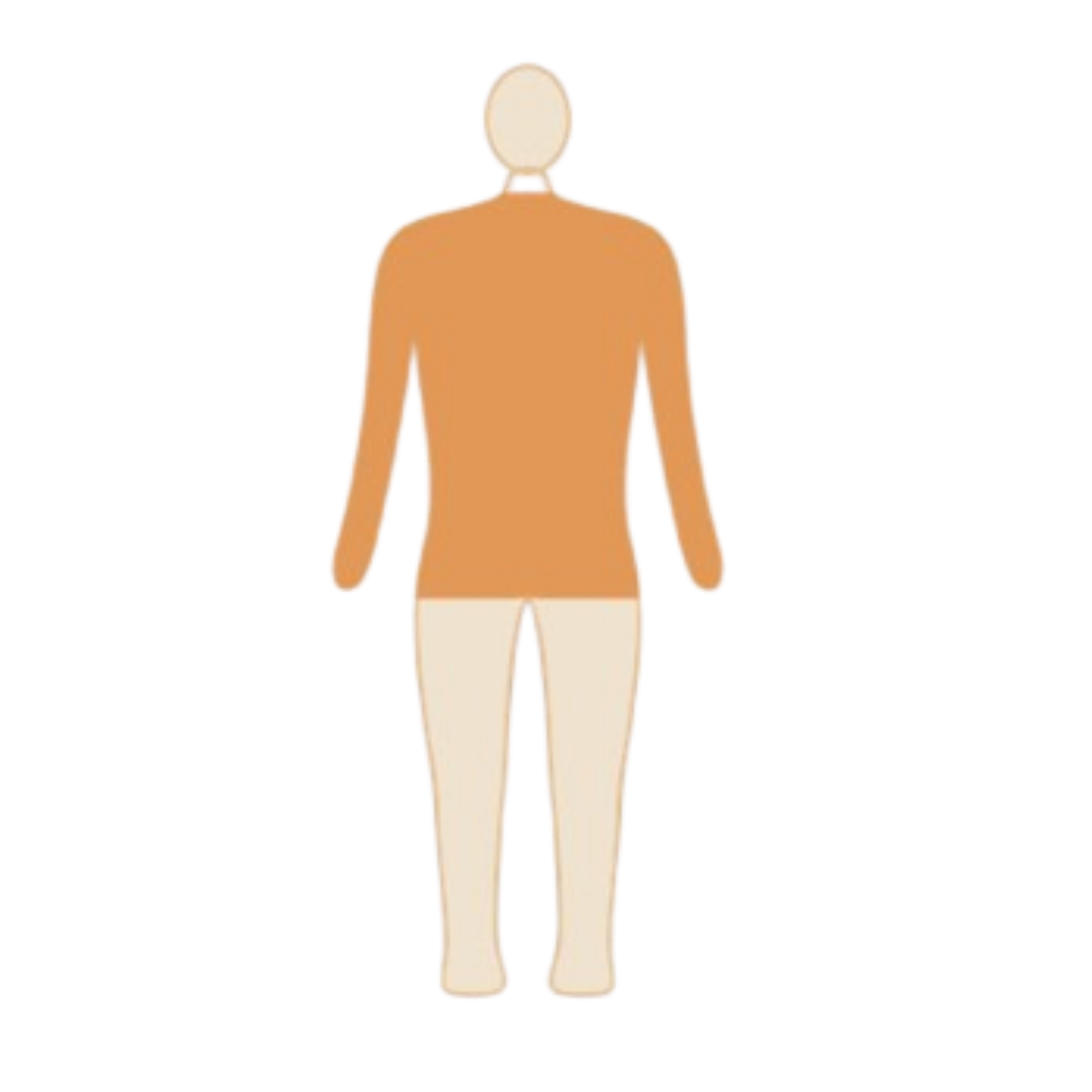
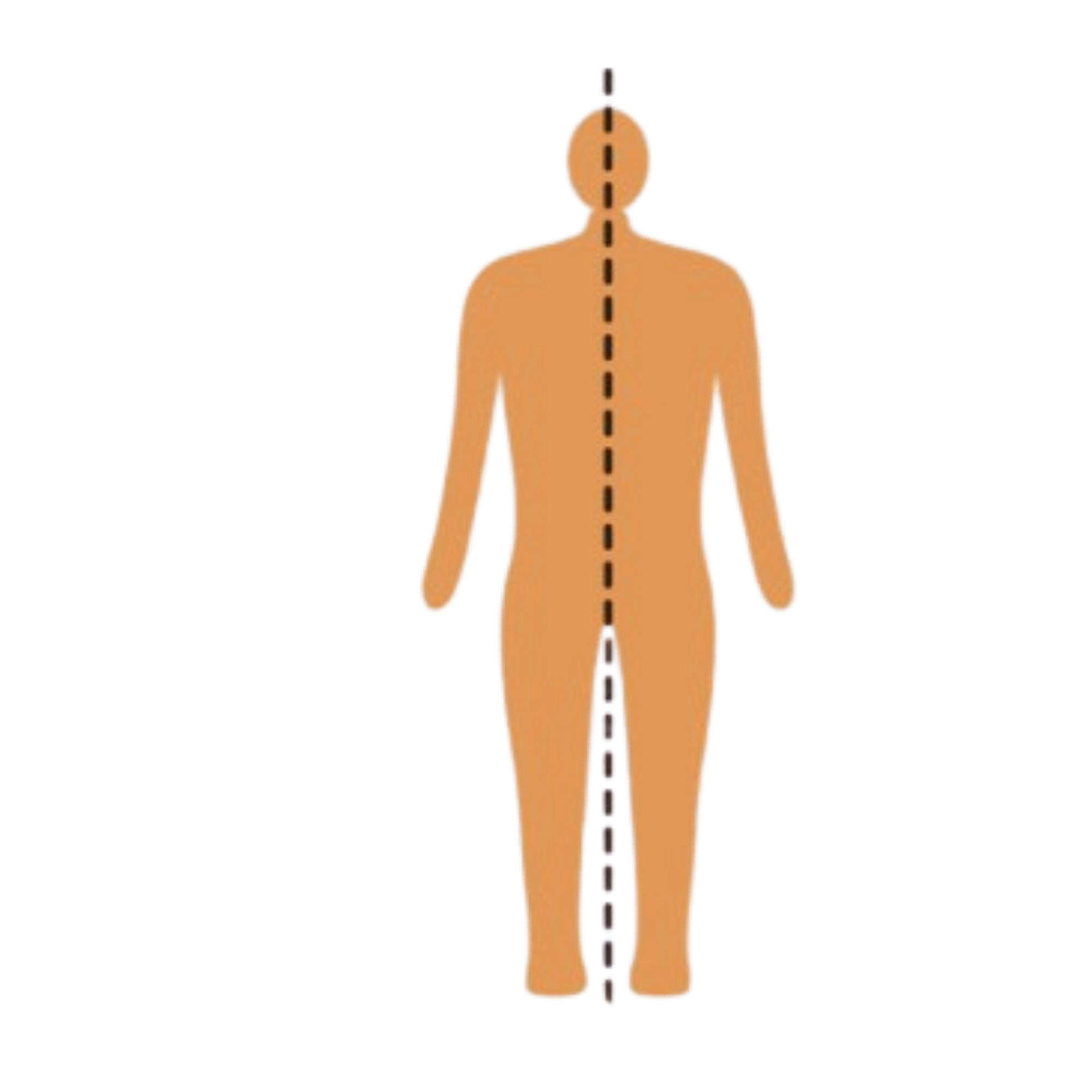
Series Work vs. Treatment Work
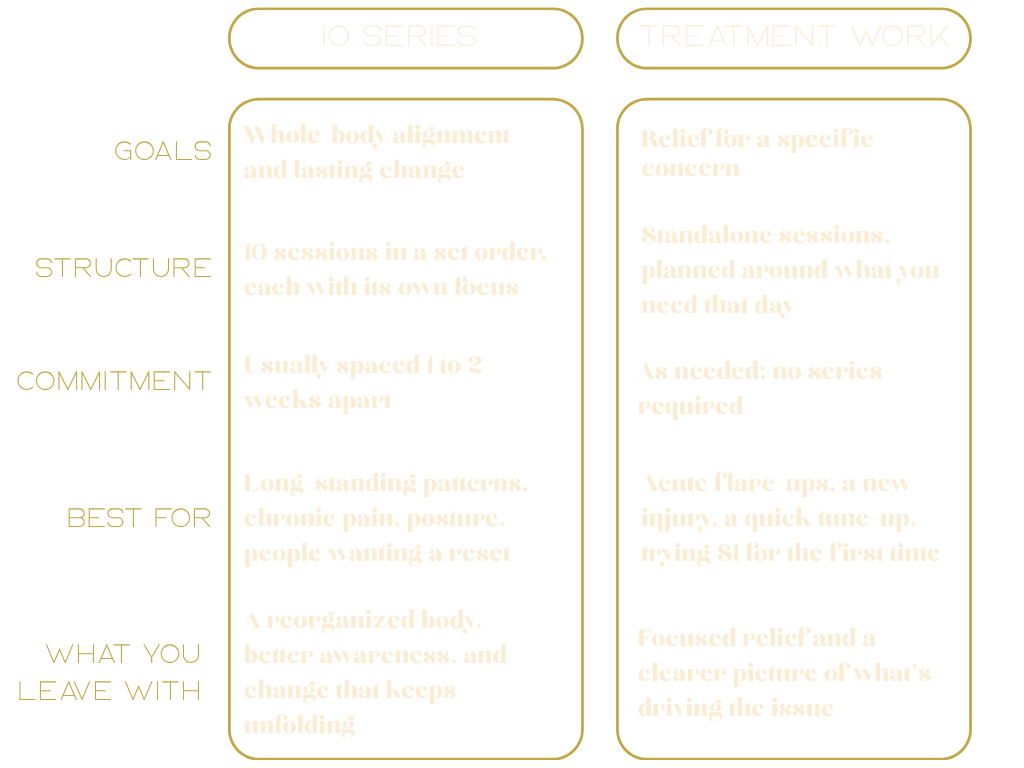
There are two ways to work with SI: the full 10-session series or individual treatment sessions focused on a specific concern. Both use the same hands-on approach. The difference is the goal.
The 10-Series is a whole-body reorganization. Each session has its own focus and builds on the last, working from the surface layers to the deep ones, then bringing it all together. The aim isn't just to fix one problem. It's to change how your whole body relates to gravity, so you stand, move, and breathe with more ease everywhere.
Treatment sessions are targeted. We use SI principles to address one area or complaint, like a stiff neck, a sore low back, or a shoulder that won't lift overhead. Every treatment session still looks at the whole body, because the cause of pain is often not where the pain is.
Not sure which is right for you?
Many people start with a single treatment session to see how SI feels in their body. If you decide to begin the 10-Series afterward, we'll talk through where to start.
SI FAQ
-
They come from the same source. Dr. Ida Rolf developed the work she called Structural Integration, and it became popularly known as "Rolfing" after her. Today, "Rolfing" and "Rolfer" are registered trademarks that only graduates of the Dr. Ida Rolf Institute may use.
"Structural Integration" is the broader name for the work, used by practitioners trained at other accredited schools. These schools teach the same core principles: working with fascia, using gravity as a guide, and following a structured series of sessions. Each school has its own style and emphasis, but the intention is the same. So if you've heard of Rolfing, you already know the heart of what SI is.
-
Wear something that lets us see how your body is organized and lets us work directly on the skin. Most people wear:
Underwear, or a sports bra and briefs
A two-piece swimsuit
Close-fitting athletic shorts and a sports bra or tank top
Please skip lotions and oils on the day of your session. Your comfort comes first. Wear what feels right for you, and you can always keep a layer on and let us know.
-
Your first session starts with a conversation about your health history, any pain or injuries, and what you'd like to get out of the work. Then we'll look at how you stand and walk, noticing patterns of tension and compensation.
Most of the hands-on work happens on the table, but you may also be lying on your side, sitting on a bench, or standing. We'll sometimes ask you to make small, slow movements while we work, like reaching through a foot or turning your head. This helps the tissue release and teaches your nervous system the new pattern.
At the end, we'll look at your standing posture again. Many people notice they feel taller, lighter, or more grounded right away. You'll also leave with one or two simple things to pay attention to before your next visit.
-
No. This is one of the most common myths about SI. Early Rolfing in the 1970s earned a reputation for being intense, and that story has stuck around. Modern SI is a very different experience.
The work is slow and precise, not forceful. Fascia responds best to patient, steady pressure, not to pain. When the body is braced against pain, it tightens up and resists change, which is the opposite of what we want.
You may feel strong sensations at times, like stretching, warmth, or a "good hurt" as a stuck area lets go. But you are always in control. We'll check in throughout the session, and you can ask us to slow down, ease up, or stop at any point. Many clients describe SI as deeply relaxing.
-
Your body keeps integrating the work for months after your last session. We usually recommend a break of about three to six months to twelve months to let the changes settle before more structured work.
After that break, many people choose one of these paths:
Tune-up sessions: A single session every few months, or whenever life throws you off balance.
Treatment work: Focused sessions for a specific concern, like a new injury or a flare-up.
Advanced or post-10 series: A shorter series (often 3 to 5 sessions) that builds on what the 10-Series started and takes the work deeper.
There's no pressure to keep coming. The goal of the 10-Series is for your body to hold the change on its own.
-
Most people book series sessions one to two weeks apart. That gives your body time to absorb each session while keeping momentum from one to the next.
-
No. Massage often focuses on relaxation or relieving tension in specific muscles. SI is focused on reorganizing the whole body's structure and alignment over time. Sessions are slower, more targeted, and often include movement and posture work. Many people find the two complement each other well.
-
SI can help most people, from athletes to desk workers to anyone recovering from an injury. Please let us know about any medical conditions, recent surgeries, or pregnancy before your first session so we can plan safely. If you're unsure, reach out and we're happy to talk it through.
-
Each session is $175.
I don’t accept tips for Structural work, and here’s why: my prices are set to fairly reflect the time, skill, and care that go into my work. I’d rather you know exactly what you’re paying upfront than wonder what’s expected. If you’d like to show appreciation, the best thing you can do is leave a review or recommend me to a friend. That means more to me than you know!